Wednesday, August 20, 2008

Anatomy of a Horror Setting #2-12: Too Doe Nakotae

To life immortal. Necromancy need not only be relegated to the raising of zombies for the continuation of a body. Often enough this dark school of magic is used in the efforts of seeking immortality. The results of necromantic longevity rituals tend to break into two different categories. The first results in a form of vampirism. The second results in a type of revenant. Where horror magic is concerned vampires are not always created from one descendant, or by some kind of virus, unless of course the virus was created by magic. Necromantic vampires also do not necessarily need to feed on blood or on flesh. Some feed on the spirit or essence of their victims. Some feed on emotions, usually with fear being the best tasting if not actually most nutritious emotional food.

When a Necromancer extends his life as a revenant--whether corporeal or not--he does not require exotic ‘foods’ and may not require any sustenance. Such living dead magicians continue to exist by will alone or driven by hatred and other strong emotions, though love may keep him going, which isn’t very horrific unless his undying form is rotted or rotting. A Lich is created when the Necromancer gains his immortality at the cost of continuing to exist in a dried husk of a body or a skeleton. The ritual to turn the Necromancer into a Lich requires storing his spirit in some kind of object that is kept safe from harm, for should the spirit be released the Necromancer can then die. This shares some semblance of the Voodoo ritual where an enslaved person’s intellect is kept in a special jar.

Necromancy is not the only path to immortality. The ultimate goal of alchemy is to discover the secret to ever lasting life. This immortality often includes remaining young and vital for the entirety of their extended life. The act of extending ones life by bathing in or feeding on blood can be either necromantic or alchemical depending upon how things are done. Certainly if a magician is extracting bodily fluids--blood, adrenal secretions, etc--and changing them somehow, concentrating them, then this is alchemical magic. The item or material known as the Philosopher’s Stone is needed for these alchemists to achieve their true immortality. This pinnacle of alchemy transmutes the body so that death never comes and is indeed not necessary.

Music: Black Rose Immortal by Opeth and Who Wants to Live Forever by Queen.
Opeth: Morningrise
Buy these at Amazon.ca
Click Images to Buy
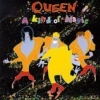
Queen: A Kind of Magic

Labels: , , , , , , , ,

Wednesday, May 14, 2008

Anatomy of a Horror Setting #2-6: Pure Magic

Alchemy at its roots is about purity. The most famous example is the transmutation, or transforming, of base and low value metals into purer, more expensive metals such as silver, and the ultimate goal, gold. The most sought after example of alchemical excellence is the change from the corruptible and limited mortal life to the incorruptible form endowed by achieving immortality. Some Alchemists have even sought to purify the soul or essence or mind. It is in the lower hanging fruit of this school of magic and the spaces between these loftiest goals that most of the practitioners perform their magic. Their foci are chemical, metallurgical, pharmaceutical, horticultural, and enlightenment. Then there is the fusion of magic and the mundane.

Where the Conjurer might benefit from being their own kind of MacGyver, the Alchemist needs to an engineer or a doctor or a scientist. As such the Alchemist works mainly in physical components. Some of those components are of a pseudo-magical nature, others are entirely magical, but these substances and items are tools upon which the magic is focused, emanates, and acts upon other natural, non-magical materials and parts or devices. From an outside perspective, and from looking at the results the magic of, Alchemy does not seem all that magical. That can be changed the more fantastical the results are. Transmutation can be a less than full change too. Something wooden can be given characteristics of metal or stone. Even greater changes are possible.

Why limit Alchemy to changing lead into gold? The alteration of the physical properties of something can extend from density, hardness, and temperature characteristics, to swapping qualities like hot and cold, dry and wet, light and darkness, or solid, liquid, and gas. These more extreme examples can be a stepping-stone to the ultimate low-level alchemical feat, the fusion of magic and non-magic. The Alchemist can instil purity into impure things by imbuing them with magic and elevating them from their humble origins. So, where is the horror in this all? It starts in the mood of Alchemy as an almost fringe science and stems from otherworldliness. It can come from strange glowing trees or from simple incurable poisons or weird unstoppable plagues.

Mood: open.
Music: Time by Anthrax and Peace Sells by Megadeth.

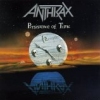
Anthrax: Persistence of Time
Buy these at Amazon.ca
Click Images to Buy
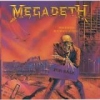
Megadeth: Peace Sells...But Whos Buying?

Labels: , , , , , , , ,

Wednesday, April 16, 2008

Anatomy of a Horror Setting #2-2: No Porcine Blemishes Here

There are a number of choices when dealing with schools of magic in a horror setting. The options start with the author of the setting and move from there to the recipients of the magical skills, the characters, whether they be novel or movie character's or the characters played in a role-playing game. As previously mentioned there are some sticking points or ways in which there is some fundamental semantic confusion about where the ways in which magic is cast ends and the so-called schools of magic begin. Setting those aside, some solid examples of the kind of magic suitable for a horrific setting include Invocation, Conjuration, Summoning, Necromancy, and Alchemy or Alteration. Even among these there is some overlap and defining necessary.

For instance, Invocation is a loaded term with more than one avenue covered by its use as a name for a kind of magic. What the person is invoking can essentially be one of two things. The first is some tangible or discrete-unto-itself kind of entity or being whether it is a god or a devil, a spirit being, or the caster's ancestors. The second is to invoke just power, or the essence of magic itself, to perform the magical act. The division could be made that calling upon some being is Invocation, while calling upon energies is Evocation.

Likewise there is a connection between Conjuration and Summoning. Both involve making things appear. Conjuring something could lend itself to a physical result, or in only an intangible manifestation such a spirit depending on how those are defined. Summoning typically involves the bringing of a living creature, or some kind of being from some other level of existence, to the spell caster. Using that as an anchor, and casting aside the conjuring of spirits to the realm of the Necromancer, Conjuring should be the creation of materials and inanimate objects through the use of magic.

Necromancy--aside from conjuring, summoning, and forcing the appearance of spirits--covers such magical areas as the raising of zombies, binding spirits and entities, and gathering power from death. It is the darkest school of magic and prone to the worst atrocities committed in its pursuit. Desecration of the dead is a must, and eternal torment is their forte. In contrast to the creation of Conjuring, Alchemy is about altering existing things. The prime example of Alchemy is transmutation--turning one element into another, such as lead to gold. Alchemy basically is the chemistry of magic. It should cover magic powders, potions, ointments and anything of a direct physical nature. It would also cover the mystical arts of healing via draughts on through to converting emotional and spiritual energies.

Music: Thin Line Between Love and Hate by Iron Maiden and Ten Thousand Strong by Iced Earth.

Iron Maiden: Brave New World
Buy these at Amazon.ca
Click Images to Buy
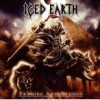
Iced Earth: Framing Armageddon - Something Wicked: Pt. 1

Labels: , , , , ,